Heritage, Legacy & The Opata Dynasty
Nuekie Aku Opata’s Story
Growing up in Laurinburg, North Carolina, I never appreciated the uniqueness of my name. In fact, for much of my childhood, it felt more like a burden than a blessing. I constantly had to pronounce it, explain it, and endure countless mispronunciations. I always knew when attendance was being called in school because there would inevitably be a long awkward pause as the teacher stared at the paper trying to figure out how to pronounce my name. Eventually, I would smile and say, “Nuekie Aku Opata,” and the teacher would sigh with relief before practicing it for the rest of the year.
For years, I wondered why my parents could not have simply named me Teresa. It was not until adulthood (and ultimately traveling to Ghana ), that I fully understood the power, history, and sacred meaning carried within my name.
In 2014, I was installed as Queen Mother of Development and given the title Nana Noyam Manye Opata II. I became only the second queen to carry this title. That moment forever transformed my understanding of identity, lineage, and cultural responsibility. Ironically, after spending my entire life as the only person with my name in Laurinburg, I arrived in Ghana and discovered hundreds of women named Nuekie, thousands named Aku, and many different branches of the Opata family lineage. For the first time in my life, my name did not feel unusual, it felt like home. What I once viewed as difficult suddenly became deeply meaningful.
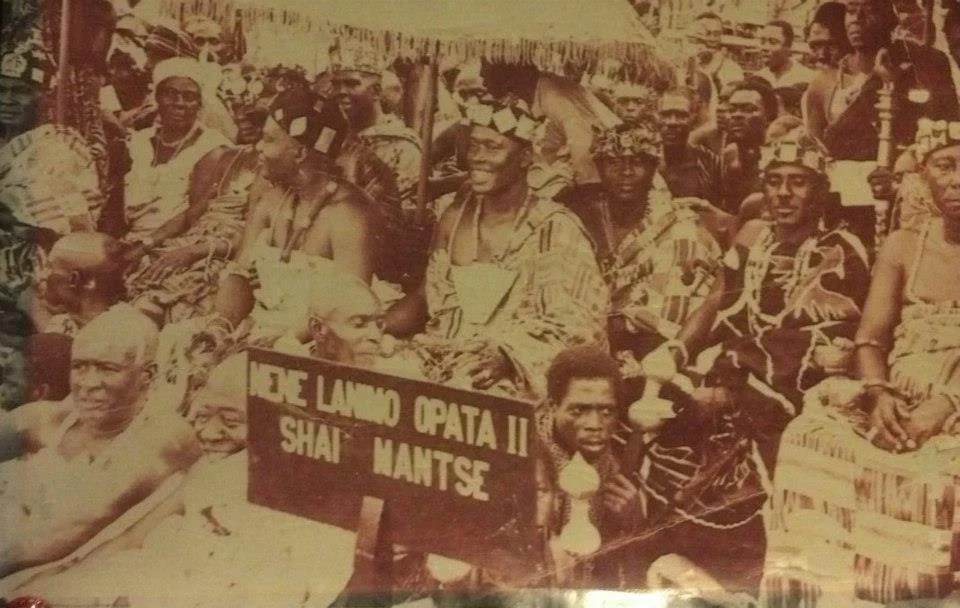
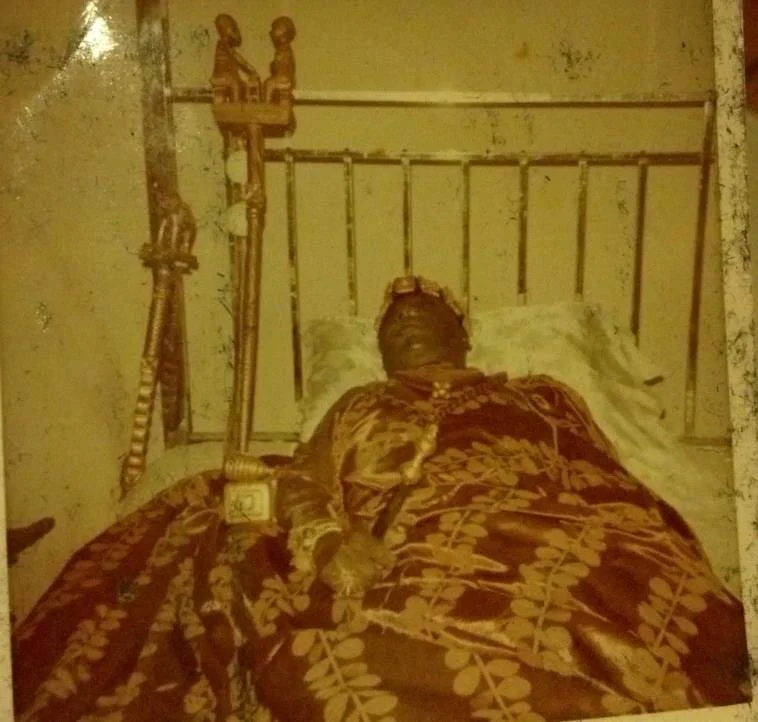
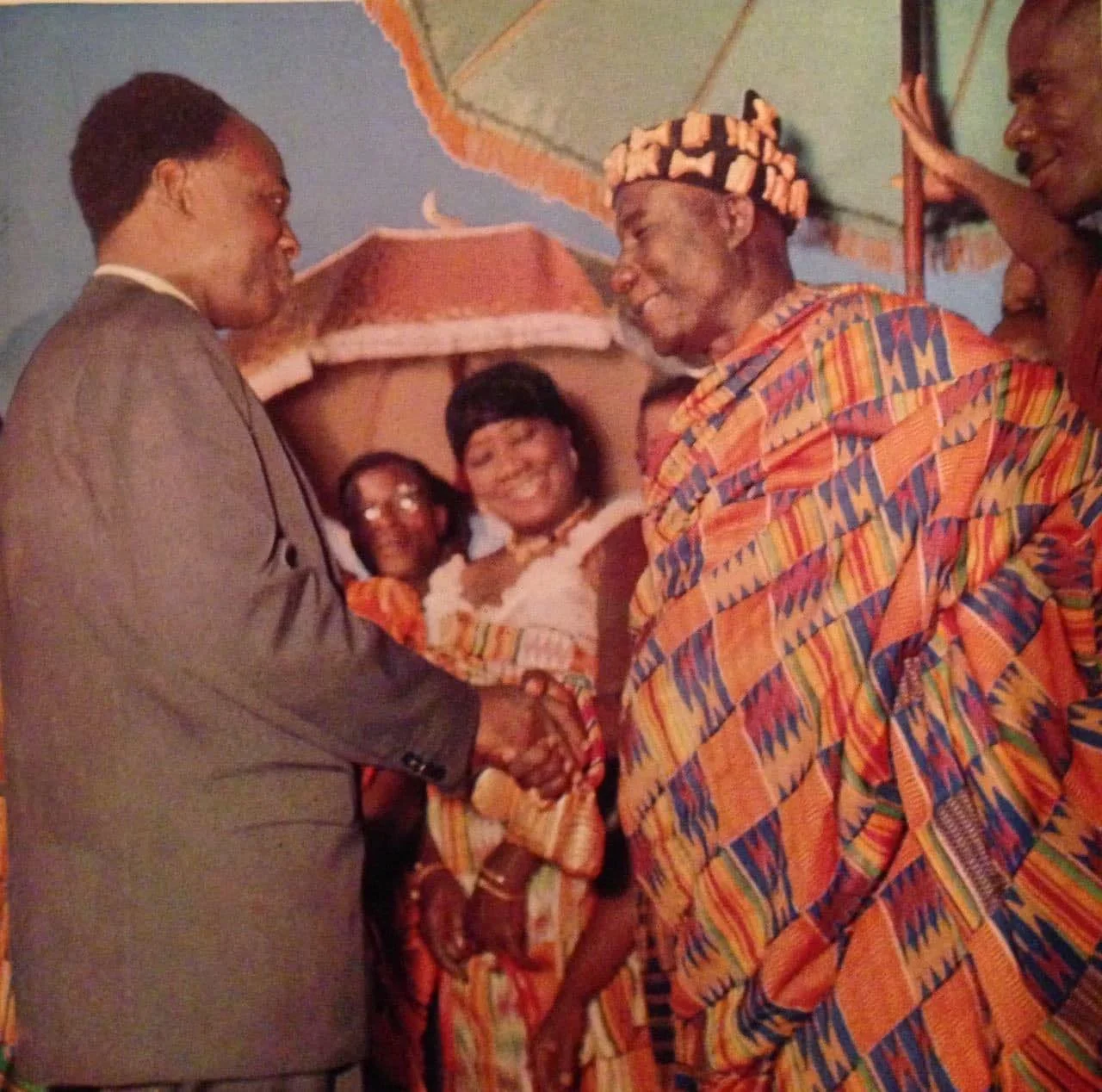
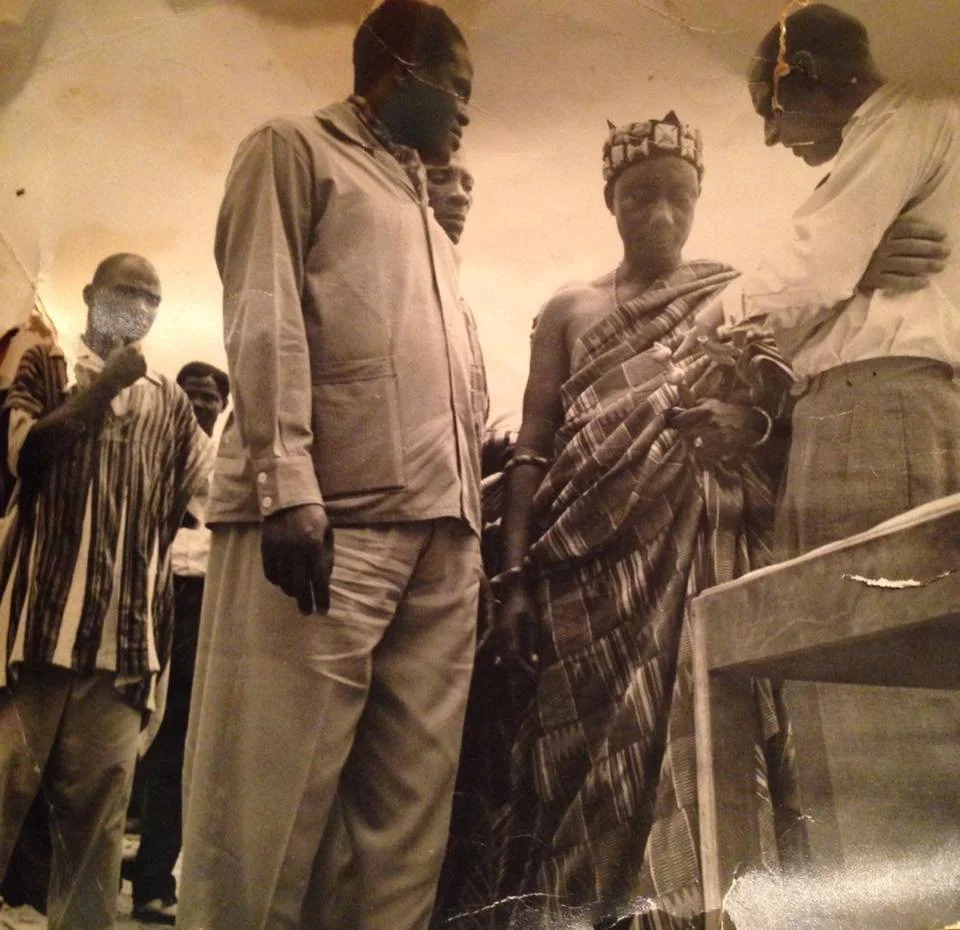
My family belongs to the Ga-Adangme people of the Greater Accra Region of Ghana, specifically the Shai people of Dodowa. My grandfather, Paramount Chief Nene Opata II, reigned from 1945–1970. Within the Shai people are several divisions and clans. The Opata family belongs to the Blonyawem Division, part of the Hewoe of Dodowa. The Blonyawem maintain a rich and intricate naming system where names are tied not only to the day a child is born, but also to birth order, lineage, clan identity, and ancestral connection.
The Shai Naming Tradition
Among the Shai people, children receive names based on the day they are born:
Monday — Adoja (girl), Kwajo (boy)
Tuesday — Abena (girl), Kwabena (boy)
Wednesday — Aku (girl), Kwaku (boy)
Thursday — Yaa (girl), Yaw (boy)
Friday — Afi (girl), Kofi (boy)
Saturday — Ama (girl), Kwame (boy)
Sunday — Esi (girl), Kwesi (boy)
Among the Blonyawem, names are then further defined by birth order.
Female Birth Order Names
1st born — Nuekie
2nd born — Nuekuor
3rd born — Maalmle
4th born — Maku
5th born — Lajer
Male Birth Order Names
1st born — Nuertey
2nd born — Tetteh
3rd born — Tei
4th born — Narh
5th born — Narteh
6th born — Naggeh
My birth name, Nuekie Aku Opata, essentially means:
First-born daughter born on a Wednesday of the Opata royal family of the Blonyawem Division of Dodowa, derived from the Shai tribe.
That realization changed everything for me.
Although I was born and raised in Laurinburg by a loving family and within a supportive community, I literally had to travel halfway across the world to fully understand who I was and where my roots truly began.
Today, that journey of rediscovery is what fuels the Traveling Ghanaian Day Naming Experience.
This is not simply entertainment. It is cultural preservation, ancestral remembrance, identity affirmation, and living history.
Rebuilding the Opata Legacy
Our family is now working to help preserve and restore the legacy of the Opata Dynasty for future generations. The sons of Nene Opata I built a royal palace in the early 1800s. With the blessings of the elders, descendants of the Opata Clan are now planning to reconstitute the Opata Dynasty and renovate the palace back to its historical and cultural significance.
The vision includes restoring the palace grounds, preserving the burial sites of Nene Opata I, II, and III, and creating a “Hall of Honors” featuring photographs and tributes to celebrated members of the Opata lineage so future generations can appreciate and understand their heritage. This work is deeply personal to me because it reflects the very heart of what the Ghanaian Naming Experience represents: reconnecting people to identity, ancestry, history, and legacy. For generations, our names have carried stories. Now, we are helping people rediscover them.
Chief Nene Lanimo Opata II
-
![]()
Chief Nene Opata at a Durbar
-
![]()
Chief Opata lying in state after his death
-
![]()
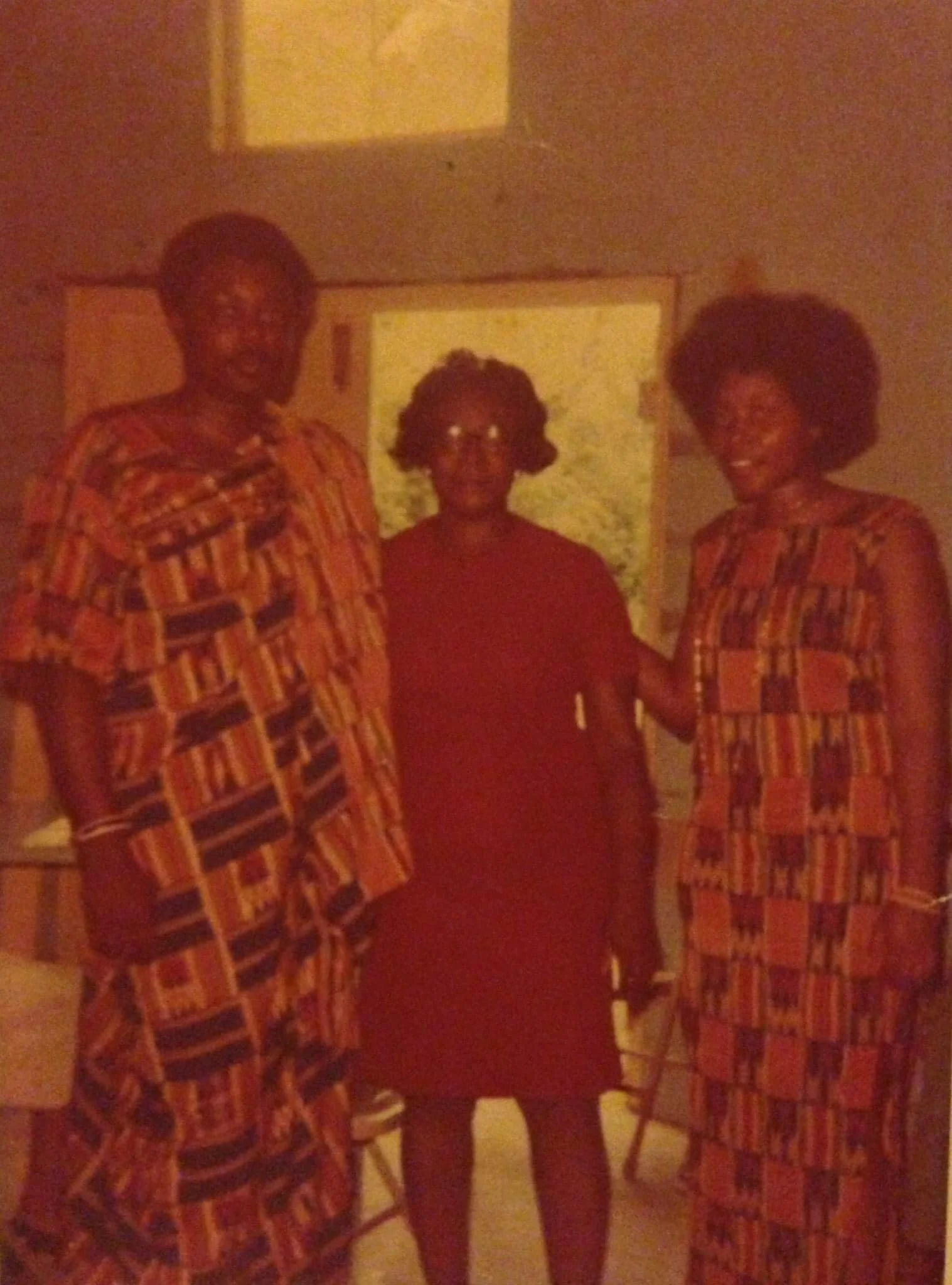
Reception for newly married Frederick and Lee Opata and Lee's mother Queen Esther
-
![]()
Chief Opata with First President of Ghana Kwame Nkrumah
-
![]()
Chief Opata greeting Prince Philip of England at Ghana's Independence Celebration