Freedom Fighters Who Shaped a Continent
This space honors the visionaries and revolutionaries who fought for the liberation and unity of Africa and the diaspora. Leaders like Amílcar Cabral and Kwame Nkrumah didn’t just challenge systems, they reimagined what freedom could look like for generations to come. Their courage, intellect, and unwavering commitment continue to inspire movements, awaken consciousness, and remind us that the struggle for unity and self-determination is both history and a living legacy.
-
![]()
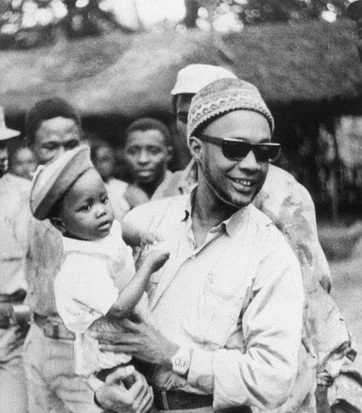
Amílcar Cabral
Amílcar Cabral was a revolutionary leader, writer, and political thinker from Guinea-Bissau and Cape Verde who played a major role in the fight for independence from Portuguese colonial rule. As the founder of the PAIGC, he believed that liberation required not only political freedom, but also cultural pride, education, and unity among African people. His legacy continues to inspire movements for self-determination, dignity, and justice across the African world.
-
![]()
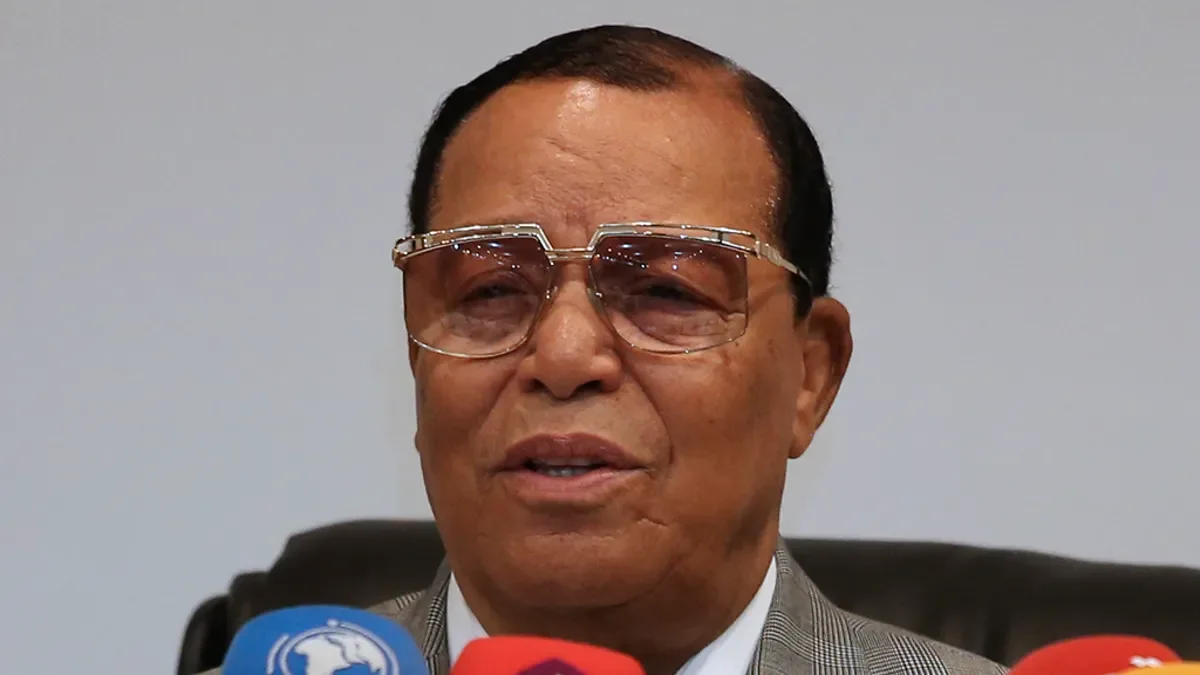
Minister Louis Farrakhan
Louis Farrakhan is a prominent Black leader, speaker, and advocate known for his decades-long work in uplifting Black communities through messages of discipline, self-reliance, economic empowerment, and spiritual awakening. As the leader of the Nation of Islam, he has remained a powerful voice on issues affecting African descendants in America and around the world. His influence has been deeply felt in conversations around identity, unity, and liberation.
-
![]()
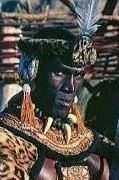
Shaka Zulu
Shaka Zulu was a legendary military leader and king who transformed the Zulu kingdom into a powerful and highly organized nation in southern Africa during the early 19th century. Known for his strategic brilliance, courage, and leadership, he reshaped regional history and became a lasting symbol of African strength and resistance. His legacy lives on as a reminder of the power, discipline, and greatness rooted in African history.
-
![]()
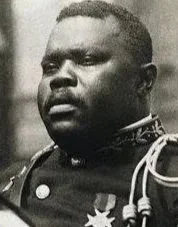
Marcus Garvey
Marcus Garvey was a Jamaican-born Black nationalist leader, publisher, and visionary who inspired millions through his call for Black pride, unity, and global empowerment. As the founder of the Universal Negro Improvement Association, he championed the idea that people of African descent should control their own institutions, economies, and futures. His message of self-determination helped shape Pan-African thought and continues to influence generations worldwide.
-
![]()
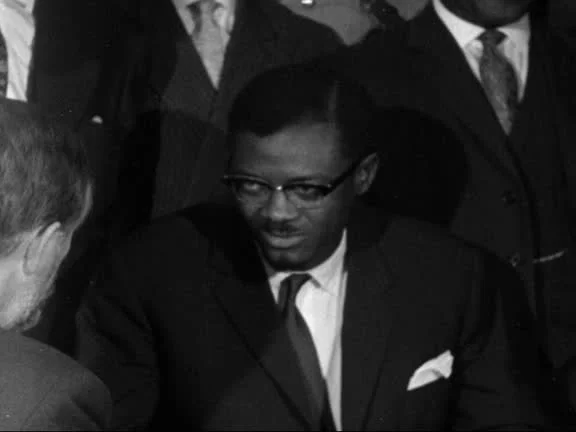
Patrice Lumumba
Patrice Lumumba was a Congolese independence leader and the first Prime Minister of the Democratic Republic of the Congo after it gained independence from Belgium in 1960. He became a symbol of African resistance for his bold stand against colonialism and foreign interference in African affairs. Though his life was cut tragically short, Lumumba’s courage and vision made him an enduring icon of African freedom and sovereignty.
-
![]()
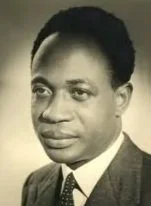
Kwame Nkrumah
Kwame Nkrumah was the first President of Ghana and one of the most influential leaders of African independence and Pan-African unity. He led Ghana to become the first sub-Saharan African country to gain independence from colonial rule in 1957, and he believed that Africa’s true strength would come through collective liberation and cooperation. Nkrumah remains a towering figure in the struggle for African unity, sovereignty, and progress.
-
![]()
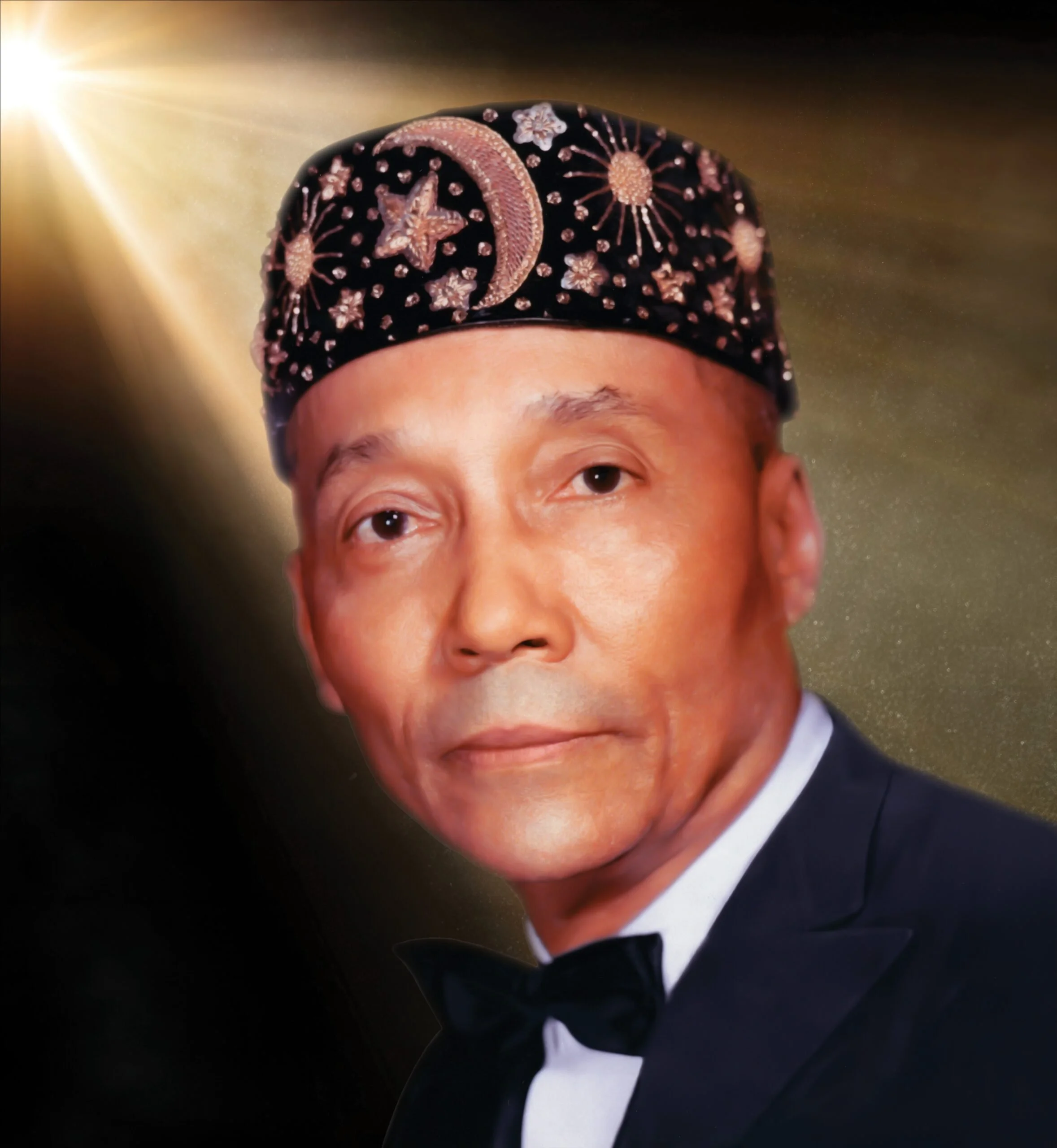
Elijah Muhammad
Elijah Muhammad was a transformative Black leader, teacher, and nation-builder who played a central role in expanding the Nation of Islam in the United States. Through his emphasis on self-discipline, economic independence, spiritual renewal, and community development, he inspired generations to pursue empowerment and self-determination. His legacy remains deeply influential in the ongoing struggle for Black uplift, unity, and liberation.